
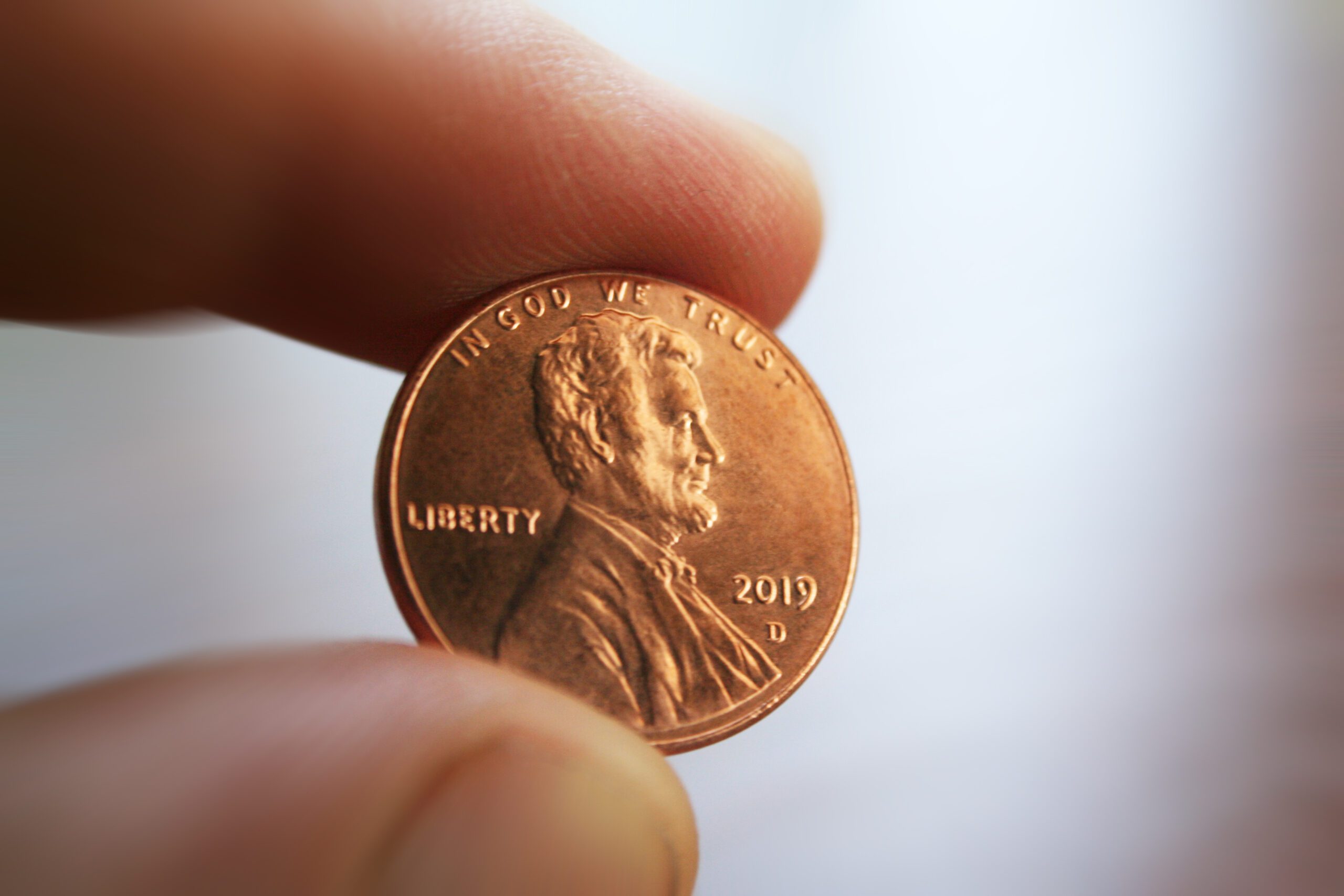
The federal government’s decision to discontinue penny production stems from a combination of economic inefficiency and changing consumer habits. In fiscal year 2024, the cost to mint and distribute a single penny climbed to approximately 3.69 cents—nearly four times its face value—which resulted in an estimated $85 million loss for taxpayers. Recognizing these growing financial inefficiencies, the Treasury decided to end circulation minting once existing metal blanks were used.
The End Game for the Penny
This shift also reflects a broader move away from small-denomination coin use in everyday transactions. With cash payments dropping from 31 % to just 14 % of total consumer transactions over recent years, low-value coins like pennies are increasingly obsolete. The U.S. follows the efforts of countries like Canada and Australia, both of which phased out their smallest denominations by implementing rounding practices without disrupting commerce.
By discontinuing penny production, the government aims to save approximately $56 million annually, reduce logistical burdens for banks and retailers, and modernize the nation’s currency system in line with contemporary payment trends. This decision preserves the penny as legal tender while acknowledging its diminishing practical role.
What it Means for Your Banking
The Federal Reserve has received the last shipment of pennies from the U.S. Department of Treasury. Once the Reserve’s inventory is depleted, banks—including GRB—will no longer receive new pennies.
Pennies are not, however, being removed from circulation. There are no current plans to demonetize or discontinue existing pennies. Any pennies already in circulation remain legal tender.
How GRB is Handling the Transition – We’re Rounding Up
As the national penny supply declines, availability will vary. Our inventory will become more and more limited over time.
To ease the transition for customers:
- Beginning on Monday, Dec. 15, GRB will round up all cash payouts to the nearest five cents.
- GRB will continue to accept pennies for deposits, payments, and cash transactions.
For Commercial coin orders, we will continue to provide pennies requested in coin orders for as long as we can. But know that they may be adjusted based on inventory levels. If our supply is depleted, we will be unable to fulfill penny orders.
Businesses Adjust to the Changes
Businesses that primarily operate based on digital payments and paper checks may not see much of an impact. But for high‑cash businesses like restaurants and certain retail services, there is likely to be a number of impacts to cash orders, rounding in point of sale systems, and training staff to explain how the business will handle rounding if pennies are unavailable to make change.
Consumer Impacts
While you may not notice changes to businesses that primarily operate based on digital payments and paper checks, high‑cash businesses like restaurants, convenience stores, and certain retail services will be making changes to their cash handling. GRB recommends that customers:
- Cash in their pennies. While pennies will remain legal tender, at some point it may become difficult to find a way to have large quantities counted automatically in machines or deposited. Remember, you cannot turn in pennies to be melted down for the value in the metal. The penny is still protected by the U.S. government, which prohibits the melting, treatment, or exportation of pennies for their metal content. While there are some valuable pennies, the vast majority are not expected to increase in value. There are simply too many in circulation to become collectible.
- Look for signage at cash registers. Businesses may begin explaining the rounding rules they are applying to cash transactions. Read them in advance to avoid surprises. There is no recommendation or requirement for how businesses handle the rounding process. Look or ask questions before making your purchases with cash.
- Plan for differences. How rounding is handled by various businesses will be different. Some could opt for Item-level rounding: Rounding that occurs on each individual item within a basket of items in a transaction. Others may use Final price rounding: Rounding that occurs on the sum of the basket of all items purchased in the transaction.
- Use electronic payments. If you are uncomfortable with rounding in general or with the rounding approach at a specific business, use an electronic payment. If you haven’t already, you can add your GRB debit card to the wallet on your mobile device.
While most studies agree that the overall impact of rounding is negligible, you should still be aware of how different businesses will be handling pricing and cash transactions. By planning ahead, you can avoid disruption and surprises as we all transition to a penny‑free cash economy.