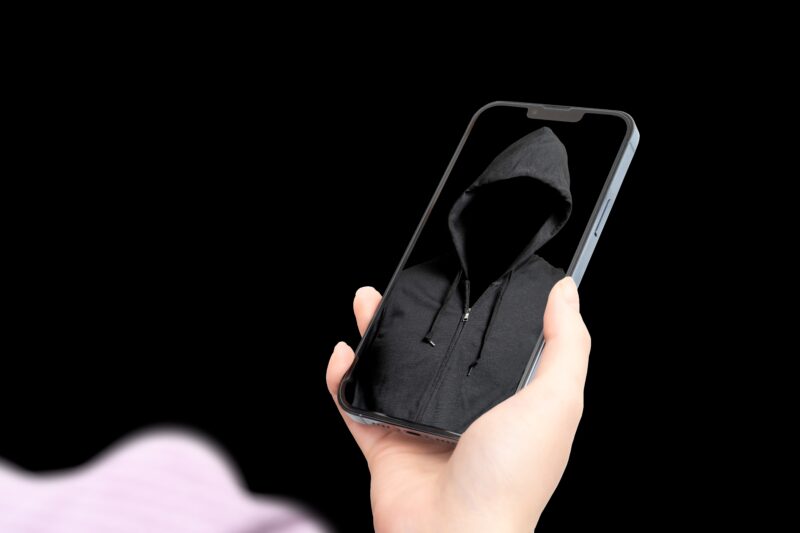

As phishing becomes a top cyber threat—with losses growing to nearly $30 million in 2017 from $8 million in 2015, according to the FBI—the American Bankers Association and the Federal Trade Commission today released a new infographic highlighting this growing problem.
According to the ABA, phishing scams typically involves emails, texts or calls that come from seemingly trusted sources that attempt to trick victims into clicking a link or handing over personal information. Once a scammer has the information, they can use it to steal the victim’s money, identity or gain access to their computer.

The infographic provides tips for consumers on how to spot potential scams, how to protect themselves against phishing attempts and how to notify the proper authorities. “One of the best ways to combat phishing is to implement multi-factor authentication, which is a second step to verify you are you, like sending a text to your phone with a confirmation code,” said ABA SVP Paul Benda. “We encourage consumers to use MFA for any of their accounts that support it, especially email and financial accounts.”
From the ABA Foundation web site: https://bankingjournal.aba.com/2019/03/aba-foundation-ftc-release-infographic-on-phishing-threat/